
What began in a small office on Kloof Street in 2006 has grown into a multidisciplinary commercial property business with a national presence. As Swindon Property marks its 20th anniversary, the milestone offers an opportunity to reflect on two decades of transactions, relationships and transformation in the city where its journey began.
In 2006, Swindon Property opened its doors from a small office on Kloof Street. The premises were modest, the team was small and Cape Town’s commercial property landscape looked considerably different from the market experienced today.
Twenty years later, Swindon has developed into a multidisciplinary commercial real estate business providing sales, leasing, valuations, occupier services, property management and advisory services across the commercial, industrial and retail property sectors with offices in Cape Town , Johannesburg, Durban, Port Elizabeth and throughout Sub Saharan Africa
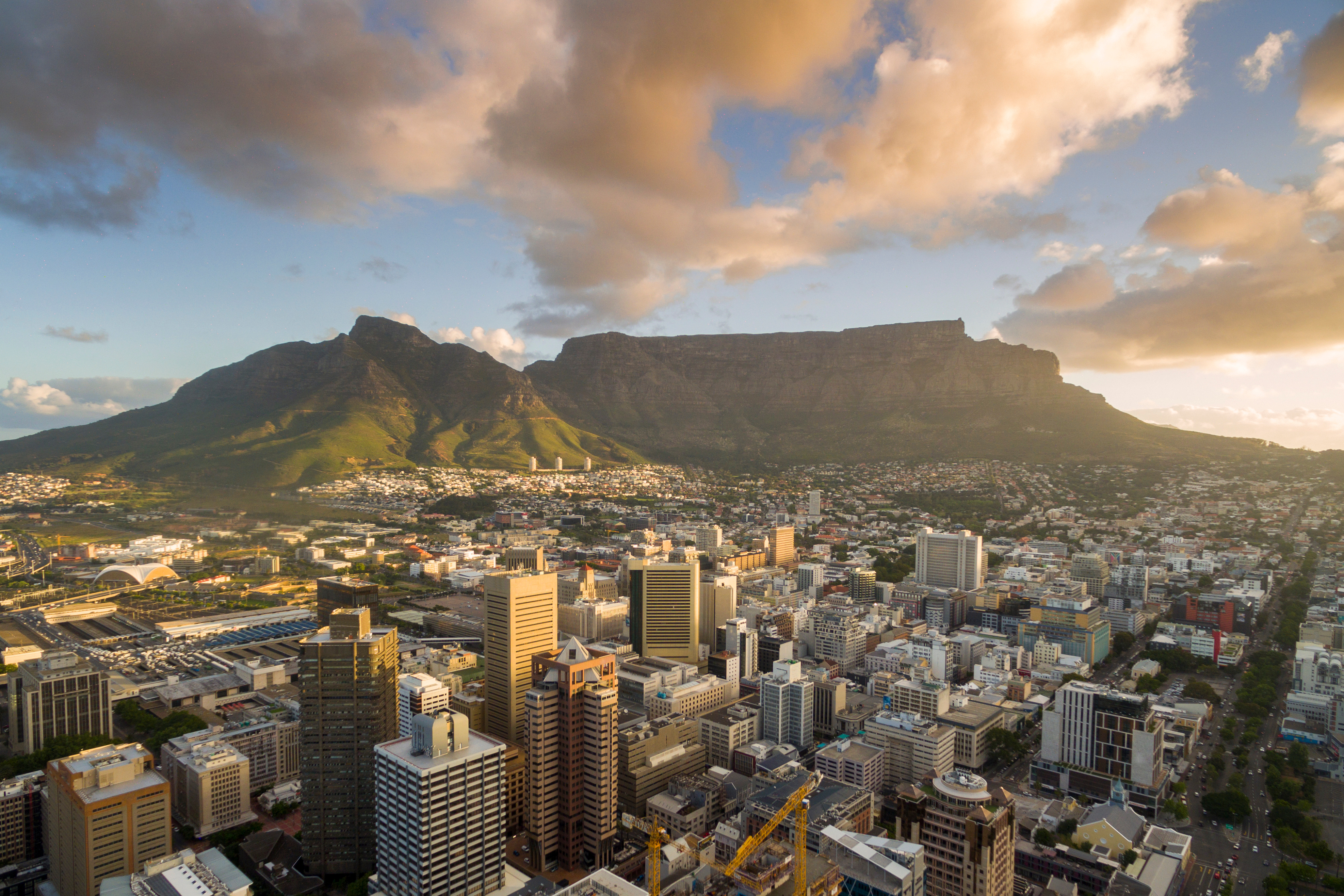
While the company’s footprint has expanded, Cape Town remains central to its history and identity. Swindon’s anniversary is therefore not only a reflection of the company’s growth, but also of the remarkable evolution of the city’s commercial and urban landscape.
Two Decades of Property Transactions
Based on a conservative internal estimate informed by historical team size and average annual activity, Swindon Property is believed to have concluded more than 2000 commercial sales and leasing transactions within the Cape Town CBD and its surrounding business districts since 2006.
Behind every transaction is a business or investment decision.
Some clients were securing their first premises, while others required larger offices, capable of supporting their next phase of growth. Property owners appointed Swindon to secure tenants, reduce vacancies, reposition assets and unlock value. Investors required advice on acquisitions and disposals, while established businesses sought premises that could improve accessibility, efficiency and employee experience.
Viewed collectively, these transactions represent businesses established, operations expanded, capital invested and buildings given a renewed commercial purpose.
The figure is more than a measure of deal volume. It reflects two decades of trusted relationships, repeat instructions and the responsibility of advising clients through significant long-term property decisions.
A City Transformed
Cape Town’s city centre was at a very different stage of its development when Swindon was established.
In 2006, the CBD remained predominantly a traditional commercial district. Office workers generally travelled into the city during conventional business hours, while residential occupation, hospitality and mixed-use development played a far smaller role than they do today.
Over the following two decades, Cape Town evolved into a more diverse urban environment in which people increasingly live, work, invest, dine and visit.
Former office buildings have been converted into apartments and hotels. Heritage properties have been restored, underutilised buildings have been repositioned and new mixed-use developments have brought residential, retail, hospitality and commercial uses into the same precincts.
Areas such as Bree Street, Loop Street, the East City and the Foreshore now reflect a far more connected urban economy than the one that existed when Swindon first opened its doors.
The Rise of Mixed-Use Development
One of the most significant changes has been the growth of the CBD’s residential population.
The Central City now contains more than 7,000 residential units, helping Cape Town progress from a predominantly five-day business district into a more active seven-day urban destination.
A larger residential population creates greater demand for restaurants, cafés, convenience retail, personal services, entertainment and hospitality. It also supports activity beyond traditional office hours and strengthens the CBD’s character as a neighbourhood rather than simply a place of employment.
Mixed-use developments and building conversions have played an important role in this transition. Properties that once served a single purpose are increasingly being adapted to accommodate combinations of residential, office, retail and hospitality uses.
For property owners and advisers, this has required a broader understanding of asset potential. The best strategy is no longer always to retain a building’s original use. In some cases, long-term value is better achieved through refurbishment, conversion or the introduction of complementary uses.
Confidence Reflected in the Skyline
Cape Town’s changing skyline provides visible evidence of sustained investor confidence.
The official value of property within the CBD was recorded at approximately R42.5 billion in the City of Cape Town’s 2022 valuation. Development and redevelopment activity in the Central City subsequently exceeded R9 billion during 2024/25, with residential and mixed-use projects accounting for a significant portion of the pipeline.
These developments are changing more than the appearance of the city. They are reshaping how the Central City functions.
New residential towers, hotels, flexible offices and redeveloped buildings are bringing employees, residents, visitors and tourists into the same urban environment, supporting economic activity throughout the day and across the week.
The Changing Role of the Office
The office sector has experienced one of the most notable shifts of the past 20 years.
The Covid-19 pandemic accelerated remote and hybrid working, compelling businesses to reconsider how much space they required and what purpose the office should serve. This initially placed pressure on vacancies, but the market has since shown encouraging signs of recovery.
Cape Town’s CBD office vacancy rate improved significantly from 16.1% in 2021 to 9.4% by the fourth quarter of 2024. More recent figures indicate a moderate increase to 10.0% in the fourth quarter of 2025, followed by 11.4% in the first quarter and 11.9% in the second quarter of 2026. While this reflects renewed pressure within parts of the CBD office market, Cape Town continues to outperform South Africa’s other major metropolitan office markets, supported by sustained demand for well-located, high-quality commercial space.
Demand, however, has become increasingly selective.
Businesses are prioritising efficient layouts, reliable infrastructure, natural light, quality amenities, parking, public transport access and environments that support employee wellbeing and collaboration.
The office is no longer viewed only as a functional place from which employees perform tasks. It is increasingly expected to strengthen organisational culture, encourage collaboration and assist businesses in attracting and retaining talent.
This has created a growing distinction between professionally managed, well-positioned buildings and ageing properties that no longer meet modern occupier requirements.
Relationships Across Market Cycles
The past two decades have included periods of growth, economic uncertainty, changing interest-rate environments, infrastructure pressures and the unprecedented disruption of a global pandemic.
Throughout these cycles, Swindon’s role has been to help clients interpret market conditions and make decisions aligned with their long-term objectives.
Commercial property decisions cannot be based on a single metric. They require consideration of location, rental levels, operating costs, accessibility, tenant demand, building quality, infrastructure and development potential.
Technology, digital marketing and data have strengthened the advisory process, but they do not replace professional judgement, local knowledge or trusted relationships.
Many Swindon clients have worked with the company through multiple property cycles and transactions. A business assisted with its first lease may later require larger premises, an acquisition, a valuation or strategic property advice. An owner may initially need leasing support before considering refurbishment, redevelopment or disposal.
These long-term relationships have been fundamental to Swindon’s growth.
Looking Towards the Next 20 Years
As Swindon Property enters its third decade, Cape Town continues to present a compelling combination of commercial opportunity, lifestyle appeal and investment potential.
Demand for quality property is expected to remain selective. Mixed-use development will continue to influence the character of the inner city, while adaptive reuse, sustainability, energy efficiency and operating costs will play an increasingly important role in investment and leasing decisions.
For Swindon Property, the next chapter will be guided by the same principles that shaped its beginnings in 2006: specialist knowledge, sound advice, responsiveness and a commitment to connecting people with property.
Twenty years ago, Swindon’s story began in a small office on Kloof Street. Today, it is reflected across a far broader network of clients, transactions, buildings and business districts.
The original office may have been small, but the ambition behind it was not.
As Cape Town continues to reinvent itself, Swindon Property is proud to have contributed to the city’s commercial journey and looks forward to playing a meaningful role in its next 20 years.
Editorial note: Swindon Property’s activity in and around the Cape Town CBD since 2006 is conservatively estimated at more than 20500 transactions, over 1 million m² transacted, R2.5–R3.5 billion in aggregate lease value and R4–R5 billion in property sales. These are indicative internal estimates and have not been audited.