
Nigeria is one of Africa’s most significant commercial real estate markets and the most populous country on the continent, with a large and growing consumer base that continues to drive demand for commercial property, office space, retail property, industrial property and investment opportunities in West Africa. As a major economic hub, Nigeria offers a diverse property landscape supported by expanding cities, developing infrastructure, population growth and increasing business activity across key sectors.
The Nigeria commercial real estate market is well suited to investors, developers, occupiers and businesses looking for commercial property for sale in Nigeria, commercial property to rent in Nigeria, office space to let, retail premises, industrial property, warehousing facilities, mixed-use developments and investment property in Africa. The market attracts a wide range of occupiers, including corporate offices, retailers, logistics operators, manufacturers, financial services firms, oil and gas companies, technology businesses, government institutions, SMEs and multinational companies seeking a presence in one of Africa’s largest economies.
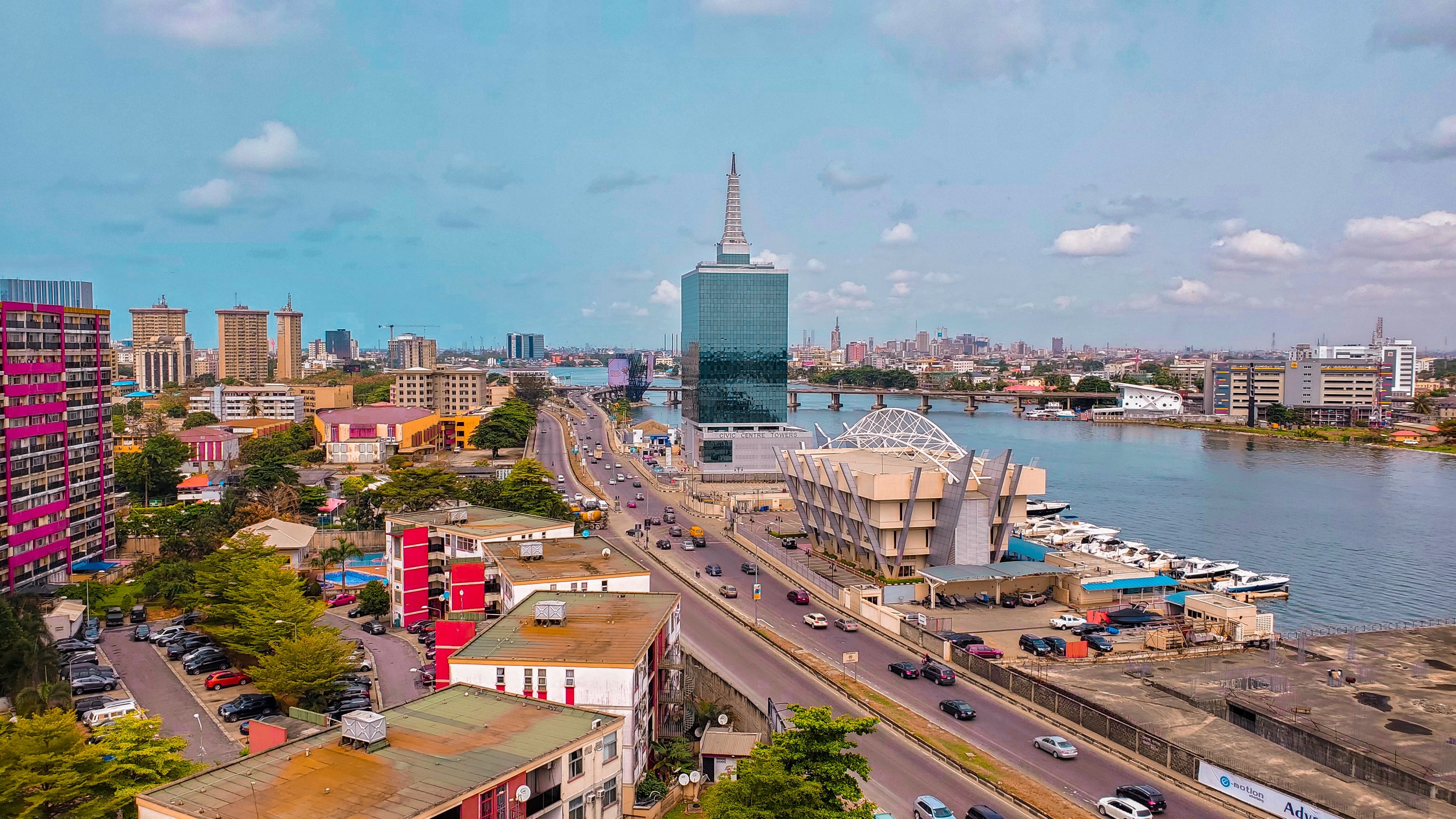
Lagos remains Nigeria’s leading commercial capital and largest city, serving as the country’s primary business, finance, logistics and retail hub. With its concentration of corporate headquarters, ports, transport infrastructure, commercial districts and growing residential population, Lagos continues to drive strong demand for office space in Lagos, retail property, industrial property, warehousing space and commercial real estate investment opportunities.
Other important commercial hubs include Abuja, Nigeria’s political capital, which is experiencing ongoing growth in office developments, government-related property demand and mixed-use commercial projects. Port Harcourt plays a major role in the country’s oil and gas sector, supporting demand for commercial, industrial and logistics-related properties. Kano, one of northern Nigeria’s key commercial and industrial centres, remains important for trade, manufacturing, warehousing and regional distribution. Ibadan, a major city in the southwest, also contributes to the country’s property market through its commercial, educational and business activity.
Nigeria’s commercial real estate market is supported by demand across the retail, office, industrial, logistics, warehousing and mixed-use property sectors. As urbanisation continues and businesses expand across major cities, demand for well-located commercial space is expected to remain strong. While property prices and rentals may vary across regions and asset classes, high demand in major business nodes continues to create opportunities for investors and occupiers seeking long-term growth potential.
For businesses and investors considering commercial real estate in Nigeria, thorough market research, location analysis, risk assessment and professional property guidance remain essential. With its scale, strategic position in West Africa, growing economy and expanding urban centres, Nigeria remains a compelling destination for commercial property investment, industrial property opportunities and business expansion in Africa.